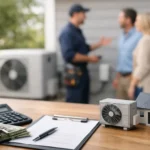
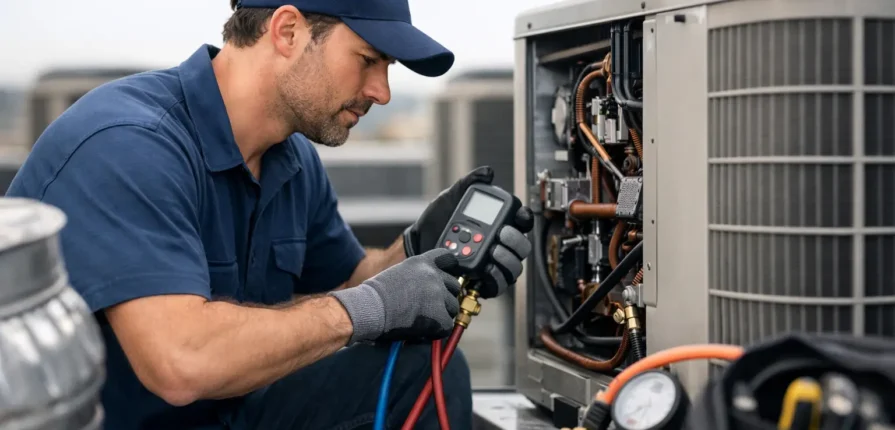
If you have ever scheduled a tune-up and wondered what do they do for HVAC maintenance, you are not alone. Many homeowners and small business owners know maintenance matters, but they are not always sure what happens during the visit. The short answer is this: a qualified technician inspects, cleans, tests, adjusts, and documents the condition of your heating and cooling system so small issues do not turn into expensive breakdowns.
That sounds simple enough, but a proper maintenance appointment is more than a quick filter check. Good HVAC maintenance is about safety, efficiency, system life, and preventing comfort problems before they interrupt your day.
What do they do for HVAC maintenance on a typical visit?
A proper maintenance visit usually starts with a full system assessment. The technician looks at the age of the equipment, the type of system you have, how it has been performing, and whether you have noticed anything unusual such as weak airflow, strange noises, uneven temperatures, or higher utility bills.
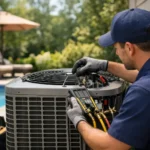
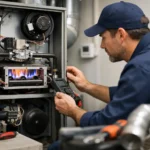
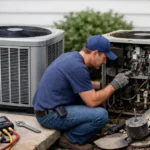
From there, the work becomes hands-on. On the cooling side, that may include checking the air conditioner or heat pump, measuring refrigerant performance, inspecting electrical components, cleaning the condenser coil if needed, testing capacitors and contactors, and confirming the drain line is flowing properly. On the heating side, it may involve checking the furnace, boiler, or other heating equipment for safe operation, inspecting burners, verifying ignition, testing safety controls, and making sure combustion-related components are working correctly.
The technician also checks the blower assembly, filter condition, thermostat operation, wiring connections, and airflow. If your system includes ductwork issues, indoor air quality accessories, or zoning controls, those may be reviewed as well. The exact scope depends on the equipment, the season, and the condition of the system.
The real goal of HVAC maintenance
Maintenance is not just cleaning equipment so it looks better. The real goal is to keep the system operating within the range it was designed for. When HVAC equipment falls out of adjustment, it often still runs, but it runs harder, less efficiently, and with more wear.
That is why two systems of the same age can have very different repair histories. One gets regular inspections and minor corrections. The other is left alone until something fails in the middle of a heat wave or cold snap.
For homeowners, this usually means lower risk of surprise breakdowns and better energy performance. For landlords and light commercial property operators, it also means fewer tenant complaints, less downtime, and more predictable service costs.
What gets checked during air conditioner maintenance
Air conditioning maintenance focuses on performance, electrical reliability, and airflow. A technician will usually inspect the outdoor unit for debris buildup, coil condition, and signs of damage. If the coil is dirty, the system can struggle to release heat, which forces it to work harder and cool less effectively.
Electrical testing is another big part of the visit. Capacitors, contactors, and wiring connections wear over time. Catching a weak component before it fails can save you from a no-cooling call later.
Indoor components matter just as much. The evaporator side, blower motor, air filter, and condensate drain all affect how well the AC performs. A clogged drain can lead to water damage or shut the system down, while restricted airflow can reduce comfort and strain the equipment. The thermostat is checked too, because even a healthy system cannot perform properly if it is not receiving the right signals.
Refrigerant is often misunderstood. During maintenance, a technician does not simply “top it off” unless there is a reason. Low refrigerant usually points to a leak or another issue. A careful technician checks operating pressures and temperatures to see whether the system is performing correctly rather than guessing.
What gets checked during furnace maintenance
Furnace maintenance has a stronger safety focus. When gas-fired equipment is involved, the technician needs to confirm that the system is heating properly and operating safely. That includes inspecting the burner operation, ignition sequence, flame sensor, heat exchanger condition, venting, and safety controls.
Electrical components are still important here too. The blower motor, control board, wiring, switches, and capacitors can all affect reliability. If airflow is poor because of a dirty filter, failing blower component, or duct restriction, the furnace may overheat and cycle incorrectly.
A professional maintenance visit also checks thermostat communication and overall system performance. If your furnace is short cycling, blowing cool air, or making loud startup noises, those symptoms may point to problems that can often be identified during maintenance before they become full repairs.
For older furnaces, the inspection may be more detailed because age changes the risk profile. In those cases, the technician may recommend repairs, safety upgrades, or replacement planning if the equipment is no longer dependable or cost-effective.
Boilers, heat pumps, and ductless systems need maintenance too
Not every property relies on a standard furnace and central AC setup. Boilers, heat pumps, and ductless mini-split systems all require maintenance, but the checklist changes.
Boiler maintenance may include inspecting pressure levels, pumps, valves, air vents, piping condition, and controls. Heat pumps need seasonal testing because they handle both heating and cooling, which means they work year-round and benefit from closer monitoring. Ductless systems need coil cleaning, drain checks, blower inspection, and performance testing to keep indoor units from losing efficiency or developing odor and moisture issues.
This is where experience matters. Different systems fail in different ways, and maintenance should match the equipment rather than follow a one-size-fits-all script.
Why maintenance can save money, but not always the same way
People often ask if maintenance saves money on utility bills. It can, but that is only part of the picture. A clean, properly adjusted system generally runs more efficiently than a neglected one, especially if airflow or coil condition has been limiting performance.
The bigger savings often come from avoiding preventable repairs and getting more usable life from the equipment. Replacing a worn contactor during maintenance is far less disruptive than losing cooling during a busy week in July. Cleaning a blocked drain is much cheaper than dealing with water damage.
That said, maintenance is not a guarantee against every future repair. Parts still wear out. Older systems still reach the end of their service life. Good maintenance reduces risk, but it does not make equipment permanent. Honest service means being clear about that.
How long does HVAC maintenance take?
Most maintenance appointments take about 60 to 90 minutes, though complex systems or neglected equipment can take longer. If the technician finds a failing part, a safety concern, or signs of a larger performance issue, the visit may turn into a repair discussion.
That is normal. Maintenance is partly preventative and partly diagnostic. Sometimes the biggest value of the visit is discovering a problem early enough to handle it on your schedule instead of during an emergency.
How often should HVAC maintenance be done?
For most homes, heating equipment should be checked before winter and cooling equipment should be checked before summer. Systems that run harder, serve larger households, or support small commercial spaces may need closer attention.
If you have pets, renovation dust, older equipment, or ongoing airflow issues, maintenance can be even more important. The same goes for landlords and business owners who cannot afford comfort complaints or downtime.
A yearly visit is better than none, but twice-yearly maintenance is often the better standard for systems that provide both heating and cooling through separate seasonal equipment.
What homeowners should do before the technician arrives
You do not need to prepare much, but a few simple steps help. Make sure the indoor and outdoor units are accessible, replace clutter around equipment, and note any comfort issues you have noticed. If some rooms are hotter or colder than others, if the system has been noisier than usual, or if your bills have climbed, mention that early.
Small details can help the technician focus on problems that might not show up immediately during testing.
Choosing the right company matters as much as the maintenance itself
Not all maintenance visits are equally thorough. A rushed appointment that barely checks the basics may not catch the issues that matter. You want licensed, experienced technicians who understand code compliance, safety procedures, and how to evaluate real system performance.
For homeowners and light commercial clients, that means working with a company that can do more than inspect equipment. If maintenance uncovers a refrigerant issue, failed electrical part, venting concern, or aging furnace problem, you need a team that can explain the next step clearly and handle the repair properly. That practical, customer-first approach is why many GTA property owners call Airmaxx for scheduled maintenance and urgent service alike.
The best maintenance visit leaves you with more than a cleaned system. It gives you a clearer picture of your equipment, fewer surprises, and more confidence that your home or business will stay comfortable when you need it most.