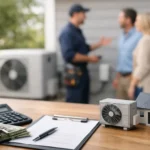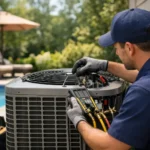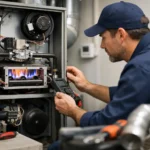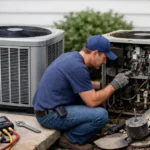

A furnace quits during a cold night. Your air conditioner stops cooling before a holiday weekend. A water heater begins leaking across the utility room floor. In those moments, learning how to choose an HVAC contractor is not just about finding the lowest price. It is about letting a qualified professional work on the systems that affect your comfort, energy bills, and household safety.
The right contractor should make the process easier: answer the phone, assess the problem carefully, explain the options plainly, and complete work that meets applicable codes. Whether you need an emergency repair, seasonal maintenance, or a full system replacement, these are the signs of a company worth calling.
How to Choose an HVAC Contractor Before You Need One
The best time to research an HVAC company is before an emergency. When your heat or cooling is out, every option can feel urgent, and it is easier to make a rushed decision. Keep the name of a trusted local contractor on hand so you know who to call when comfort cannot wait.
Start by confirming that the company serves your area and works on your type of equipment. HVAC is a broad field. A contractor may be excellent at central air conditioning but not handle boilers, ductless systems, gas lines, fireplaces, or commercial rooftop equipment. If you own a heat pump, boiler, ductless mini-split, or a combination of systems, ask directly about the technician’s experience with that equipment.
A full-service provider can be especially helpful for homeowners and small property operators because HVAC problems are not always isolated. Poor airflow could involve the furnace, ductwork, thermostat, filter, or indoor air quality equipment. A company that can diagnose the complete system can often prevent repeat service calls.
Verify Licensing, Insurance, and Professional Credentials
Never assume a contractor is qualified because they have a truck, an online ad, or a fast appointment available. Ask about licensing, insurance, and any certifications required for the work being performed. Work involving fuel-burning appliances, gas piping, refrigerant, electrical connections, or ventilation must be handled by properly trained professionals.
Insurance matters just as much. A legitimate contractor should carry appropriate liability coverage and workers’ compensation protection. This helps protect you if someone is injured on your property or if accidental damage occurs during service.
For installation and replacement projects, ask whether permits and inspections apply in your area and who will handle them. A contractor who treats permits as optional may be cutting corners elsewhere. Proper permitting and code-compliant installation can protect your safety, preserve equipment warranties, and prevent problems during a home sale or insurance claim.
Credentials do not guarantee great customer service, but they are a necessary starting point. A professional company should be comfortable discussing its qualifications without becoming defensive or vague.
Look for a Thorough Diagnosis, Not a Quick Guess
A reliable HVAC technician investigates the cause of the problem before recommending a repair or replacement. For example, an air conditioner that is not cooling may have a refrigerant issue, electrical failure, frozen coil, dirty filter, blower problem, thermostat setting issue, or ductwork concern. Replacing parts without testing can waste time and money.
During a service visit, pay attention to the process. Does the technician ask about the symptoms and when they started? Do they inspect the relevant components, test the system, and explain what they found? Can they show you the failed part or describe why it is no longer operating safely?
The same standard applies to new equipment estimates. A contractor should not recommend a system size based only on the square footage of your home. Proper sizing considers insulation, windows, ceiling height, ductwork, sun exposure, occupancy, and the condition of the existing system. An oversized unit can short-cycle, reduce humidity control, and wear out sooner. An undersized unit may run constantly without delivering adequate comfort.
Compare Written Estimates the Right Way
Getting more than one estimate is sensible for a major replacement, but do not compare only the final number. Two quotes can look similar while including very different work, equipment, labor protections, and installation standards.
A clear written estimate should identify the equipment being proposed, including model information where applicable, as well as the scope of labor. It should explain whether removal of old equipment, new thermostat installation, duct modifications, electrical work, permits, startup testing, and cleanup are included. If a contractor cannot put the details in writing, you may have difficulty resolving disagreements later.
Ask about warranty coverage, too. Equipment warranties and labor warranties are not the same thing. A manufacturer may cover a part, while the homeowner remains responsible for diagnostic time or labor to install that part. Knowing the difference upfront helps you budget realistically.
The lowest bid is not always the most affordable choice. A low price may omit essential safety upgrades, use undersized materials, or leave out needed ductwork and electrical corrections. On the other hand, the highest estimate is not automatically the best. Ask each contractor to explain the value behind the recommendation in plain language.
Ask About Availability and Emergency Response
Heating, cooling, and hot water failures do not follow business hours. If your system supports a family home, rental property, restaurant, office, or retail space, response time can matter as much as technical skill.
Ask what happens when you call after hours. Is there a real emergency service option? Will you receive a timeframe for arrival? Can the company provide temporary safety guidance while you wait, such as shutting off power to a leaking water heater or turning off a furnace that smells unusual?
Fast service should never mean rushed work. A good emergency contractor restores safety and comfort as quickly as possible while still testing the repair and communicating what was done. If a permanent repair cannot be completed immediately, the technician should clearly explain the next step, expected timing, and any safe temporary measures.
Read Reviews for Patterns, Not Perfection
Online reviews can be useful, but no business receives universal praise over many years. Instead of looking for a perfect rating, look for consistent patterns. Do customers mention punctuality, respectful technicians, clear explanations, clean work areas, fair pricing, and successful repairs? Do reviews mention how the company handled an issue when something did not go as planned?
It is also worth considering how a company responds to concerns. A professional response does not need to argue or make excuses. It should show that the company takes customer experience seriously and is willing to resolve problems reasonably.
Ask neighbors, friends, property managers, or local business owners for referrals when possible. A recommendation from someone who has used a contractor for both maintenance and an unexpected repair often tells you more than a single online rating.
Make Sure Pricing Is Clear Before Work Begins
You deserve to understand what you are authorizing. Before repairs begin, ask whether there is a diagnostic or service-call fee, whether that fee applies toward repairs, and how the contractor will obtain approval if additional work is needed.
For repair decisions, request a straightforward explanation of the options. Sometimes a modest repair is the sensible choice. Other times, repeated breakdowns, poor efficiency, unavailable parts, or an aging system make replacement the better long-term investment. The right answer depends on the equipment’s condition, repair cost, remaining expected life, and your plans for the property.
For larger projects, ask about financing, maintenance plans, seasonal offers, and available discounts. These can make necessary upgrades more manageable, but they should support a sound equipment recommendation, not pressure you into buying before you are ready.
Choose a Contractor Who Supports Your System After Installation
An HVAC installation is not finished when the equipment turns on. Proper startup, airflow checks, thermostat setup, safety testing, and homeowner education all affect how the system performs over time. You should know how to operate the thermostat, change filters, recognize warning signs, and schedule maintenance.
Choose a contractor that can remain your service partner after the job is complete. Regular maintenance helps identify small issues before they become expensive failures, supports efficient operation, and gives you a familiar team to call when something changes. For Greater Toronto Area homeowners and businesses, Airmaxx Heating & Air Conditioning provides repair, maintenance, installation, and emergency support with this long-term approach in mind.
A trustworthy HVAC contractor will not promise that every repair is cheap or every installation is simple. They will give you honest information, safe workmanship, and a practical path back to dependable comfort. Keep that standard in mind, and you can make a confident choice long before your next HVAC problem becomes urgent.