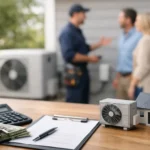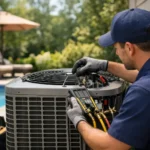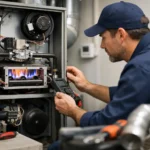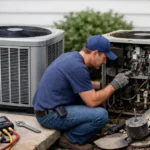
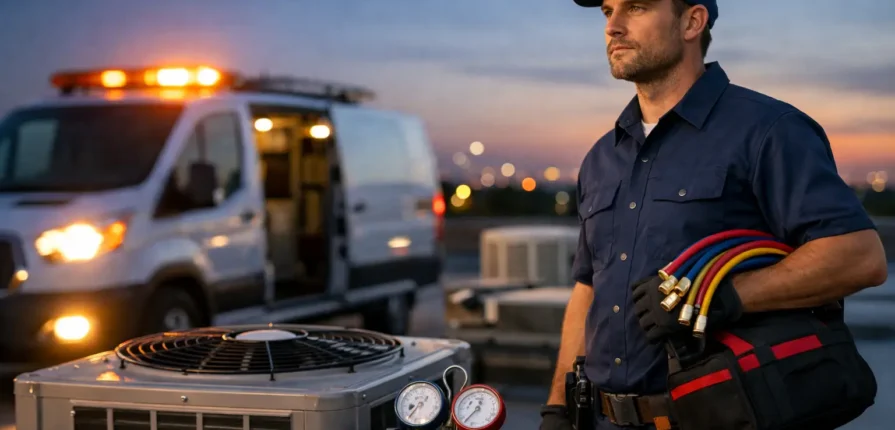
A furnace quits at 2 a.m. during a cold snap. Your rooftop unit stops cooling just before a busy lunch rush. A water heater starts leaking into the basement. That is when 24 hour emergency HVAC service stops being a convenience and becomes a real need.
When heating, cooling, or hot water systems fail outside normal business hours, the right response can protect more than comfort. It can prevent frozen pipes, water damage, unsafe indoor temperatures, and avoidable strain on equipment that is already failing. For homeowners and small business operators, emergency service is about getting a qualified technician on site quickly, diagnosing the issue correctly, and restoring safe operation without guesswork.
What 24 hour emergency HVAC service actually covers
Emergency HVAC service is not limited to one type of equipment. In most homes and light commercial spaces, it can apply to furnaces, boilers, air conditioners, heat pumps, ductless systems, water heaters, thermostats, gas lines, and ventilation components. The common thread is urgency.
A true emergency usually means the problem affects safety, habitability, or the ability of a property to function normally. No heat in winter is an emergency. A gas smell is an emergency. A leaking water heater that could damage flooring or walls is an emergency. No cooling can also become urgent during extreme heat, especially in homes with young children, seniors, or anyone with health concerns.
That said, not every HVAC problem needs a midnight dispatch. A noisy but still running AC may be able to wait until morning. A dirty filter warning on the thermostat usually can too. Good emergency providers help customers sort out the difference instead of pushing every service call into the highest urgency category.
When to call for 24 hour emergency HVAC service
The safest rule is simple. If the system failure creates a safety risk, a serious comfort issue, or the chance of property damage, call right away.
Heating failures are the most obvious example. In freezing weather, even a few hours without heat can create bigger problems, especially in older homes, vacant rentals, or spaces with plumbing along exterior walls. Boiler issues, failed ignitions, locked-out furnaces, and electrical faults should be checked by a licensed technician, not reset over and over in hopes that the system comes back.
Cooling emergencies depend more on conditions. If an AC fails on a mild evening, waiting until the next day may be reasonable. If the indoor temperature is climbing fast during a summer heat wave, the urgency changes. Small commercial properties feel this quickly too. Restaurants, clinics, offices, and retail spaces cannot always operate normally when cooling fails.
Call immediately if you notice any of these conditions:
- No heat during cold weather
- Gas odor near equipment or gas piping
- Water leaking from a water heater, boiler, or HVAC unit
- Burning smells, sparks, or tripped breakers tied to HVAC equipment
- System short cycling, shutting down completely, or showing error codes after reset attempts
- No cooling during extreme heat when occupants are vulnerable
What to expect when you call
A reliable emergency call should feel organized from the start. The first step is usually a few direct questions about the equipment, the symptoms, and whether there are immediate safety concerns. This helps the dispatcher prioritize the call and prepare the technician with the right information.
If there is a gas smell, electrical burning odor, or active leak, you may be told to shut off the system if it is safe to do so. In some cases, turning off water or power to the affected equipment can limit damage before the technician arrives. Clear instructions matter here. Homeowners should never be left guessing around gas appliances or electrical panels.
Once on site, the technician should diagnose before recommending repairs. That sounds obvious, but emergency situations are where rushed assumptions cause expensive mistakes. A trained professional checks the controls, safety switches, venting, electrical components, airflow, and operating conditions before replacing parts. Fast service is important, but accuracy is what prevents repeat failures.
If a repair can be completed right away, the goal is straightforward: restore safe, reliable operation as quickly as possible. If a full repair is not possible that night because of equipment condition or parts availability, a good contractor explains the next step clearly. Temporary stabilization, shutdown for safety, and a scheduled follow-up can all be the right answer depending on the problem.
Why licensed emergency service matters
When a system fails after hours, many customers are tempted to focus only on speed. Speed matters, but so does who shows up.
Heating and cooling systems involve electricity, fuel, venting, combustion, refrigerant, and drainage. Improper emergency repairs can create code issues, void warranties, reduce efficiency, or leave a hidden safety hazard behind. That is why licensed, experienced technicians are worth the call, especially for gas-fired appliances, boilers, and major electrical components.
For homeowners, this means peace of mind. For landlords and small commercial operators, it also reduces liability. A code-compliant repair is not just a technical detail. It is part of protecting your property and the people inside it.
Experience matters too. Emergency failures are not always simple. A furnace that will not start may have a failed ignitor, but it could also have an airflow restriction, pressure switch issue, venting problem, or control board fault. Replacing the wrong part at 1 a.m. helps no one.
The trade-off between repair and replacement
Not every emergency call ends with a repair that makes sense. Sometimes the system is at the end of its service life, the heat exchanger is compromised, or the repair cost is too high relative to the unit’s condition.
This is where honest guidance matters. A dependable contractor should tell you when a repair is worthwhile and when replacement is the smarter financial choice. The answer depends on age, safety, efficiency, part availability, and how often the system has been breaking down.
For example, a fairly new furnace with a failed sensor or inducer motor is often worth repairing. A 20-year-old unit with major component failure is a different story. The same goes for air conditioners with repeated refrigerant issues or boilers with ongoing leakage and corrosion. Emergency service should solve the immediate problem, but it should also help you avoid getting stuck in a cycle of short-term fixes.
Financing options and clear estimates can make that decision easier. When replacement is necessary, customers should not feel pressured into a rushed commitment without understanding the options.
How emergency HVAC service protects your budget
An emergency call is rarely something people plan for, but quick action often saves money in the bigger picture.
A furnace that shuts down completely may be repairable if addressed early. Keep forcing it to run, and one failed component can lead to another. A small boiler leak can become flooring damage. A clogged condensate line can turn into drywall repairs. Delaying service often shifts the cost from one repair to several.
There is also the efficiency side. Systems that limp along with airflow problems, failing motors, or faulty controls use more energy and deliver less comfort. Even when the equipment is still technically running, it may already be costing more than it should.
That is one reason many emergency situations are preventable. Seasonal maintenance catches worn ignitors, weak capacitors, blocked drains, dirty burners, poor airflow, and safety control issues before they become late-night failures. Emergency service is essential when something goes wrong, but regular service helps you need it less often.
Choosing the right emergency HVAC provider
If you are searching during a breakdown, the basics matter most. Look for a contractor that handles both heating and cooling, has licensed technicians, works on residential and light commercial systems, and can respond across your local area without long delays.
Beyond that, pay attention to how they communicate. Do they explain the problem clearly? Do they talk about safety, code compliance, and repair options in plain language? Do they seem prepared to handle more than one kind of equipment? These details usually tell you whether you are dealing with a real service company or just someone chasing after-hours calls.
For customers in the Greater Toronto Area, that local responsiveness matters. Weather changes quickly, and winter and summer breakdowns can escalate fast. Airmaxx Heating & Air Conditioning focuses on exactly that kind of practical support, with experienced technicians, emergency response, and full-service HVAC capability for homes and light commercial properties.
After the emergency is over
Once the heat is back on or the AC is running again, it is worth taking the next step before the next outage happens. Ask what caused the failure, whether the system is nearing the end of its life, and what maintenance or upgrades could reduce the chance of another urgent call.
The best emergency service does more than put out the fire. It gives you a clearer picture of your equipment and a realistic plan for keeping your property safe, comfortable, and operating the way it should. When comfort fails after hours, the right help is not just fast. It is qualified, honest, and ready when the problem cannot wait.