A heat pump can lower energy use and give you both heating and cooling from one system, but the heat pump installation cost can vary more than most homeowners expect. Two homes on the same street can get very different quotes based on size, insulation, electrical capacity, ductwork, and the type of equipment being installed. If you are planning a replacement or upgrading from an older furnace and AC setup, it helps to know what is actually driving the price before you book an estimate.
What affects heat pump installation cost?
The biggest factor is the type of heat pump being installed. A ducted central heat pump that works with existing ductwork is priced differently than a ductless mini-split system, and both are different from a cold-climate model designed to handle lower winter temperatures more effectively. Higher-efficiency systems usually cost more upfront, but they may reduce monthly utility bills and improve comfort year-round.
Home size also matters, but not just in the obvious way. Larger homes often need more capacity, longer refrigerant runs, more labor, and sometimes zoning or multiple indoor units. That said, an older smaller home with poor insulation or leaky ducts can still be more complicated and expensive than a newer, better-sealed home.
The condition of your existing HVAC setup can either keep costs under control or push them up quickly. If your electrical panel needs upgrading, the installation becomes more involved. If your ductwork is undersized, damaged, or poorly laid out, a contractor may recommend repairs or modifications so the new system can perform properly. Skipping that step can lead to weak airflow, higher energy use, and unnecessary wear on the equipment.
Typical heat pump installation cost ranges
For many homeowners, the most useful question is simple: what is a realistic number? In general, heat pump installation cost for a standard residential project often falls somewhere between a few thousand dollars on the low end for a small, simple ductless setup and well into five figures for a whole-home cold-climate system with electrical or duct upgrades.
A single-zone ductless system for one room or a small area will usually cost less than a whole-home system. A multi-zone ductless installation with several indoor heads will cost more because there is more equipment, more labor, and more line routing involved. A central ducted heat pump can be cost-effective if the existing duct system is in good shape, but if modifications are required, the final price can climb.
This is why ballpark pricing online should be treated as a starting point, not a promise. A quote that looks inexpensive at first can leave out key items like pad installation, thermostat upgrades, electrical work, condensate management, permits, or disposal of old equipment.
Ducted vs. ductless systems
Choosing between ducted and ductless equipment has a direct impact on installation cost, comfort, and long-term performance. Ducted systems are often the natural choice when a home already has usable ductwork. They deliver whole-home heating and cooling through vents and can feel familiar to homeowners replacing a furnace and AC combination.
Ductless systems are a strong option for homes without ducts, additions, converted spaces, or rooms that are consistently too hot or too cold. They can also work well in older homes where adding ductwork would be disruptive or expensive. The trade-off is appearance and layout. Some homeowners do not like the look of wall-mounted indoor units, and multi-zone systems can become costly if many rooms need independent control.
Neither option is automatically better. The right fit depends on the house, the comfort goals, and the budget.
Why cold-climate performance matters
In areas with colder winters, equipment selection matters just as much as installation quality. Some heat pumps perform very well in mild weather but lose capacity as outdoor temperatures drop. A true cold-climate heat pump is built to maintain stronger heating performance in lower temperatures, which can reduce the need for backup heat and improve winter comfort.
That better performance often comes with a higher upfront price. For many homeowners, though, it is worth paying more for equipment that matches the local climate rather than choosing a lower-cost model that struggles in winter. If the system is not sized and selected correctly, you may save money on day one and pay for it later in comfort complaints, high electric bills, or uneven heating.
Installation details that change the final price
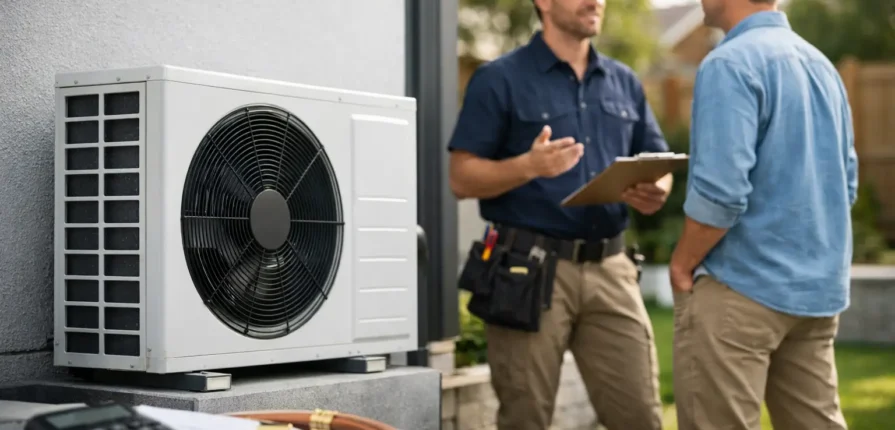
Labor is not just about putting in new equipment. A proper installation includes load calculations, equipment matching, refrigerant charging, drainage, electrical connections, controls setup, testing, and verification that airflow and performance are correct. This is where the difference between a quick swap and a professional job becomes clear.
Permits and code compliance can also affect the total. Homeowners sometimes focus only on the equipment price and overlook the value of licensed, insured installation. That can be a costly mistake. HVAC systems involve refrigerant, electrical connections, and combustion-related decisions when backup heating is part of the design. Safe, code-compliant work protects both the system and the property.
Accessibility matters too. If the outdoor unit location is difficult to reach, if indoor components need to be installed in tight mechanical spaces, or if the job requires longer piping runs, labor time increases. Even disposal of old equipment can add to the quote.
Can you save money without cutting corners?
Yes, but the best savings usually come from smart planning rather than choosing the cheapest bid. If your current system is still operating, replacing it before a full breakdown gives you time to compare options and ask questions. Emergency replacements are often more stressful, and rushed decisions tend to be expensive.
It also helps to look at the total project value, not just the sticker price. Financing, manufacturer promotions, seasonal offers, and available rebates can make a better-quality installation more manageable. For some homeowners, a properly designed system with a slightly higher upfront cost ends up being the better value because it avoids repeat service calls and lowers operating costs over time.
This is also where working with an experienced contractor matters. A detailed quote should explain what is included, what may change if hidden issues are found, and whether ductwork, electrical work, or thermostat replacement is part of the scope. Clear pricing is easier to trust than a low number with missing details.
Questions to ask before approving an estimate
When reviewing a proposal, ask how the system was sized. If the answer is based only on square footage, that is not enough. Proper sizing should consider insulation levels, window area, layout, and other factors that affect heating and cooling demand.
You should also ask whether the quoted heat pump is suitable for colder weather, what kind of warranty is included, and whether the existing ductwork or electrical service needs attention. If backup heat is part of the plan, find out how it will operate and what that means for utility costs.
A good contractor should be able to explain the trade-offs clearly. For example, a lower-cost system may be fine for a smaller home or a milder application, while a higher-performance system may make more sense for year-round comfort in a larger family home. At Airmaxx, that practical, system-by-system approach is what helps homeowners avoid surprises.
When the lowest quote is not the best deal
A low quote can look attractive until the missing pieces show up later. If one estimate is far below the others, ask what has been excluded. It may leave out electrical upgrades, permit fees, mounting hardware, line set covers, startup procedures, or even labor needed to correct airflow problems.
There is also the issue of long-term reliability. An improperly installed heat pump can short cycle, struggle to maintain temperature, or develop avoidable service issues. Paying less upfront does not help if the system is noisy, inefficient, or constantly needing repairs.
For most homeowners, the goal is not simply to get the cheapest installation. It is to get dependable comfort, safe operation, and a system that performs the way it should.
A realistic way to budget for a heat pump
The best way to budget is to expect a range, not a single number. Heat pump installation cost depends on your equipment choice, your home’s existing infrastructure, and how much preparation is needed to support the new system properly. A quick replacement in a well-prepared home will cost less than a full upgrade that includes duct, electrical, or control changes.
If you are comparing options, focus on three things: whether the equipment suits your home, whether the installation scope is complete, and whether the contractor is qualified to do the work safely and correctly. That combination usually tells you more than the price alone.
A heat pump is a major comfort investment. The right installation should leave you with fewer surprises, more predictable energy use, and confidence that your home will stay comfortable when you need it most.