A heating replacement is not a purchase most homeowners plan for. It usually starts with a furnace that will not restart, uneven rooms during a cold spell, or repair bills that keep growing. This home heating system buying guide helps you make a sound decision before urgency forces you into the fastest available option.
The right system should keep your home comfortable through winter, fit the building’s existing infrastructure, operate safely, and make sense for your long-term budget. The highest efficiency rating is not automatically the best choice. Proper sizing, installation quality, fuel availability, and the condition of your ductwork or radiators all matter just as much.
Start With Your Home, Not the Equipment
Before comparing brands or efficiency ratings, look at what your house actually needs. A system that works well in one home may be a poor fit for another, even if the homes are the same size.
Your contractor should consider the home’s square footage, insulation levels, window quality, ceiling height, air leakage, layout, and the local winter climate. They should also ask how the current system performs. If bedrooms are consistently cold, the issue may involve duct design, inadequate returns, radiator balancing, or air leakage rather than the heating unit alone.
Avoid selecting equipment based only on the capacity of the old system. Older furnaces and boilers were often oversized, especially after insulation, windows, or air sealing improved. An oversized replacement can heat the house too quickly, cycle on and off repeatedly, create uneven temperatures, and wear out sooner. A professional load calculation provides a far more reliable starting point.
Home Heating System Buying Guide: Know Your Options
Most homeowners are deciding among a forced-air furnace, a boiler, a heat pump, or a combination that uses more than one technology. Each can be an excellent choice in the right application.
Furnaces
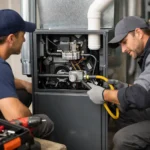
A gas furnace heats air and distributes it through ductwork. For homes that already have ducts, a furnace replacement is often the most straightforward path. Modern high-efficiency models can provide dependable performance in very cold weather, and the same duct system can support central air conditioning.
Look at the AFUE rating, which measures how much fuel is converted into usable heat over a season. A higher AFUE can reduce fuel use, but it may also come with a higher upfront cost and more specific venting or drainage requirements. The practical value depends on your utility costs, how long you expect to own the home, and the quality of the installation.
A furnace may be the strongest fit if your ducts are in good condition and you want familiar, powerful heating. It is less attractive if the duct system is undersized, leaky, poorly insulated, or unable to deliver balanced airflow to every area of the house.
Boilers and Hydronic Heating
Boilers heat water and circulate it through radiators, baseboards, or in-floor tubing. Many homeowners appreciate the steady, quiet warmth of hydronic heat. There are no blowing sounds, and the system does not move air through ducts.
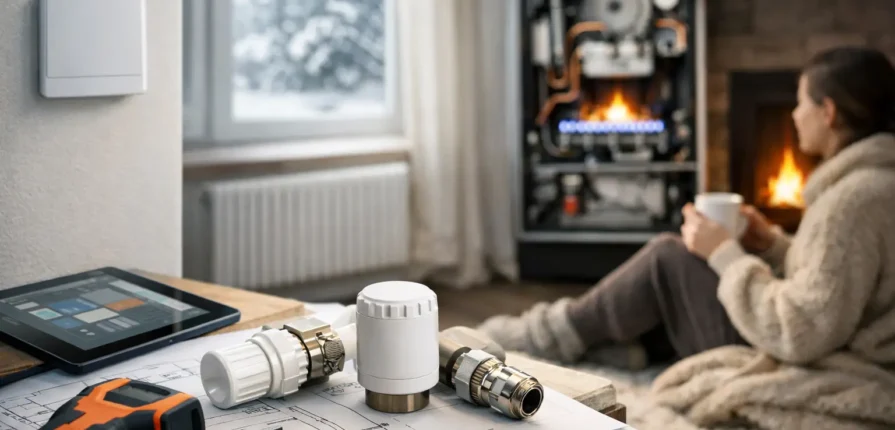
A boiler replacement often makes sense when the existing radiators or piping are in good shape. However, hydronic systems require careful assessment. Corroded piping, stuck valves, poor circulation, or imbalanced radiators can limit comfort even when a new boiler is installed. If you also want central air conditioning, you will need a separate cooling solution, such as ductless units or new ductwork.
Heat Pumps
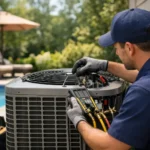
A heat pump moves heat rather than creating it through combustion. It provides heating in winter and air conditioning in summer, making it an appealing all-season option. Cold-climate heat pumps are designed to continue operating at lower outdoor temperatures than earlier models, but performance still depends on the model, installation, and climate conditions.
For some homes, a heat pump can be the primary heating system. For others, it works best as part of a dual-fuel setup with a gas furnace or boiler providing backup heat during the coldest periods. The right approach depends on electricity and gas rates, electrical capacity, insulation, and your comfort expectations.
Ductless Mini-Splits
Ductless heat pumps are useful for additions, converted garages, older homes without ductwork, and rooms that are consistently difficult to heat. Each indoor unit can be controlled separately, giving households more room-by-room flexibility.
They are not always the cleanest answer for an entire house. Placement, aesthetics, number of indoor heads, and electrical work must be considered. Still, ductless systems can be an efficient way to add targeted heating and cooling without opening walls for new ducts.
Look Beyond the Equipment Price
A low installation quote can become expensive if it leaves out necessary work. A complete proposal should identify the equipment model, capacity, efficiency rating, labor, permits where required, venting changes, electrical work, thermostat options, condensate drainage, and removal of the old system.
Ask whether duct modifications, gas line upgrades, chimney liner work, or electrical panel changes may be needed. These are not optional extras when the home requires them. They are part of making the new system safe, code-compliant, and capable of delivering the performance you are paying for.
Installation quality has a direct effect on comfort, efficiency, and equipment life. A correctly sized furnace with poor airflow, improper venting, or loose duct connections will not perform as intended. For gas-fired equipment, licensed workmanship and proper combustion testing are essential safety measures, not paperwork.
Choose Efficiency With a Payback Mindset
Efficiency should lower operating costs, but the best rating is not always the best investment. A premium system may save meaningful energy in a large, heavily used home, while a mid-range unit may be the more sensible choice for a smaller home or a property you plan to sell soon.
Consider the full cost of ownership: equipment price, installation work, expected fuel use, maintenance, potential repair costs, and available financing or rebates. Also think about comfort features. Variable-speed blowers and modulating furnaces can provide steadier temperatures and quieter operation, but they add complexity and cost.
A basic, correctly installed system is usually a better investment than a top-tier model installed without proper design, commissioning, or follow-up service.
Do Not Ignore Distribution and Controls
Your heating system can only perform as well as its distribution system allows. With forced air, that means ducts, returns, filters, registers, and blower settings. With boilers, it means piping, circulators, zone valves, radiators, and controls.
If rooms feel different from one another, ask for an evaluation before replacement. Simple corrections such as sealing accessible ducts, adding returns, adjusting dampers, repairing a circulator, or balancing radiators can make a noticeable difference. In some homes, zoning or a smart thermostat provides better control, but a thermostat cannot fix undersized ducts or an incorrectly sized furnace.
Indoor air quality should also be part of the conversation for forced-air homes. A suitable filter, humidification strategy, and clean duct system can support comfort through the heating season. The goal is not to add every available accessory. It is to address the conditions that affect your household.
Questions to Ask Before You Approve the Job
A dependable contractor should be comfortable explaining the recommendation in plain language. Ask what load calculation or sizing method was used, why a particular system is the right fit, and what work is included to support it.
You should also ask about warranty coverage, maintenance requirements, expected installation time, permits and inspections, and what happens if there is a problem after installation. For an older home, ask whether existing ducts, chimneys, gas piping, electrical service, or radiators could affect the scope.
Airmaxx Heating & Air Conditioning recommends treating a replacement estimate as a comfort and safety plan, not just an equipment quote. Clear scope, qualified technicians, and proper startup testing help prevent expensive surprises when the temperature drops.
Plan Before the Next Breakdown
If your current system is still running but needs frequent repairs, has uneven performance, or is nearing the end of its expected service life, schedule an assessment before winter creates an emergency. You will have more time to compare options, review financing if needed, and choose equipment based on your home rather than a same-day failure.
The most reassuring heating decision is one that leaves you with steady warmth, clear documentation, and a contractor you can call when you need help. A careful evaluation now can turn the next cold morning into an ordinary one.