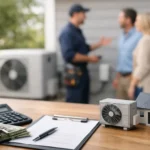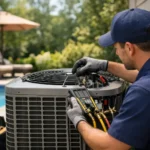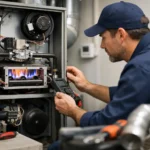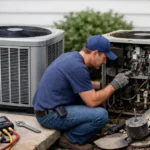
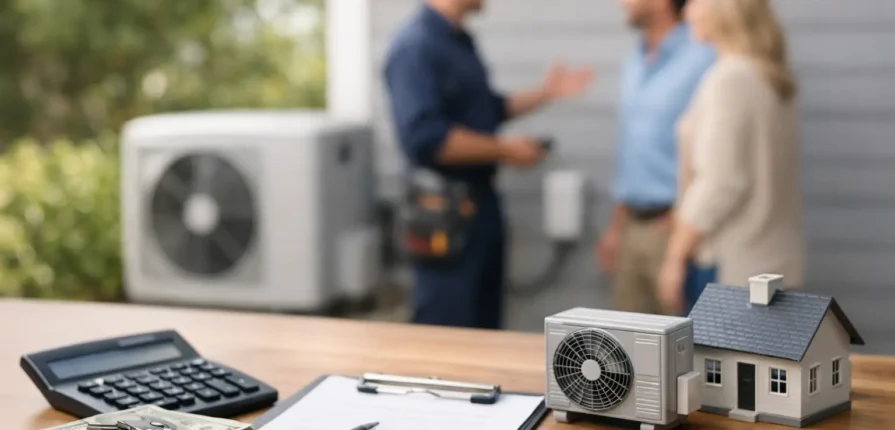
A furnace that quits during a cold snap or an air conditioner that fails in peak summer heat rarely gives a household time to save. Financing for HVAC replacement can make it possible to restore safe, reliable comfort now while spreading the cost into manageable monthly payments. The right plan should support your budget without pushing you into equipment or terms that do not fit your home.
For homeowners, landlords, and small business operators in the Greater Toronto Area, the decision is about more than replacing a broken unit. It is about keeping people comfortable, protecting the property, managing energy costs, and making a sound long-term investment. A clear estimate and a straightforward financing conversation can take much of the pressure out of an unexpected replacement.
When HVAC Replacement Financing Makes Sense
Not every repair means replacement is the right answer. A licensed HVAC technician should first assess the condition of the existing system, identify the cause of the problem, and explain whether a repair is practical. If a relatively inexpensive repair can safely provide years of dependable service, financing a new system may not be necessary.
Replacement deserves serious consideration when repair costs are climbing, the system is near or beyond its expected service life, parts are difficult to source, or performance has become unreliable. Frequent breakdowns can turn a once-affordable system into a costly source of stress. Older equipment may also use more energy, struggle to heat or cool evenly, and create comfort complaints from room to room.
Financing may be especially helpful when waiting is not a realistic option. A failed furnace, boiler, air conditioner, or water heater can affect health, safety, operations, and tenant satisfaction. Rather than choosing the cheapest available unit under pressure, a monthly payment plan may give you room to select properly sized, professionally installed equipment that better serves the property.
How Financing for HVAC Replacement Usually Works
HVAC financing generally allows an approved customer to pay for all or part of a new heating or cooling system over a set period. Instead of paying the full installation amount at once, you make scheduled payments based on the approved amount, the term length, interest rate or promotional structure, and any down payment.
The details matter. Some programs may offer promotional periods, while others use fixed monthly payments over a longer term. Approval criteria, interest charges, payment amounts, and available terms vary by provider. Ask for the full cost of financing, not only the monthly payment. A low payment can be attractive, but a longer term may increase the total amount paid over time.
Before agreeing to a plan, make sure you understand the following: the financed amount, the number of payments, the due date, whether interest applies, what happens after a promotional period, and whether there are fees or penalties for late payments. A reputable contractor will make space for these questions and will not rush you through the paperwork.
Financing is a budgeting tool, not a reason to overlook the system itself. The equipment recommendation should still be based on your home’s size, insulation, ductwork, fuel type, comfort needs, and applicable code requirements. Proper installation has a major effect on efficiency, safety, reliability, and manufacturer warranty coverage.
Start With the Right Replacement Recommendation
The price of a replacement can vary widely because homes and systems vary widely. A basic equipment swap is different from replacing an aging furnace while correcting airflow problems, upgrading controls, modifying ductwork, or adding a heat pump. The lowest quote is not always the lowest cost over the life of the system.
A detailed estimate should identify the equipment being installed, the scope of labor, required permits or code-related work, removal of old equipment, warranty information, and any recommended accessories. For example, a new high-efficiency furnace may require venting changes. A heat pump installation may require electrical upgrades, outdoor-unit placement planning, or integration with existing heating equipment.
This is also the right time to ask about efficiency. More efficient equipment often costs more upfront, but it may reduce ongoing heating or cooling expenses. The payback depends on how the system is used, local utility rates, the condition of the home, and the difference between the old and new equipment. There is no single upgrade that is best for every property.
At Airmaxx Heating & Air Conditioning, the focus is on matching the solution to the property rather than treating every replacement as a one-size-fits-all installation. Licensed, experienced technicians can explain the practical differences between options so you can make a decision with a clear view of both upfront cost and long-term comfort.
Compare Monthly Cost With Total Value
When reviewing financing options, it helps to look at the purchase from two angles. First, can the monthly payment fit comfortably within your household or business budget? Second, does the selected system deliver value for the total amount you will pay?
A slightly higher monthly payment may be worthwhile if it provides correctly sized equipment, better efficiency, stronger warranty protection, or installation work that prevents avoidable problems later. On the other hand, stretching the term too far simply to reach the lowest payment can make a replacement more expensive than it needs to be.
Consider your expected time in the property as well. If you expect to remain in the home for many years, dependable and efficient equipment may have more time to earn its value through improved comfort and lower operating costs. If you own a rental property or manage a small commercial space, reliable equipment can help reduce emergency calls, interruptions, and tenant complaints.
Do not forget operating costs. Replacing a failing system can reduce the risk of repeated repair bills, but energy savings are never guaranteed without considering the condition of the entire home. Leaky ducts, inadequate insulation, poor thermostat settings, and neglected maintenance can limit the performance of even high-quality new equipment.
Questions to Ask Before You Apply
A financing conversation should leave you feeling informed, not pressured. Ask whether a down payment is required and whether you can pay extra toward the balance without a penalty. Confirm whether the quoted monthly payment includes the full installation scope or only the equipment itself.
You should also ask what happens if additional work is discovered during installation. Older homes sometimes reveal issues with venting, gas lines, electrical connections, drainage, or ductwork that must be corrected for a safe, code-compliant installation. Knowing how those situations are handled protects you from surprises.
It is wise to compare the equipment warranty with the workmanship warranty. Equipment manufacturers may cover certain parts for a stated period, but proper registration and installation conditions can apply. A workmanship warranty addresses the installation work itself. Both are meaningful, particularly when you are financing a system intended to serve the property for years.
Finally, ask what maintenance is recommended after installation. Changing filters, keeping outdoor equipment clear, booking seasonal service, and addressing small concerns early can help protect comfort and system performance. Financing helps with the purchase, while maintenance helps protect that investment.
Avoid Decisions Made Only on Price
An HVAC replacement is not a purchase to make from a vague phone quote or an online price alone. A contractor should inspect the existing system and discuss the issues that affect installation. This is particularly important for furnaces, boilers, gas appliances, and equipment that requires careful attention to ventilation, combustion safety, drainage, and local codes.
Be cautious of quotes that lack model details, omit labor scope, or promise unusually low pricing without an in-home assessment. Those offers can leave out essential work that appears later as an added charge. Clear documentation, qualified technicians, and proper permitting provide real value, even when they are not the cheapest line item on a quote.
For seniors and budget-conscious households, discounts or seasonal savings may help reduce the amount that needs to be financed. Availability changes, so ask about current offers when requesting an estimate. Pairing available savings with a payment plan may make a higher-quality replacement more attainable without compromising on safe installation.
Make Comfort the Priority, Not the Emergency
The best time to discuss replacement financing is often before the system fails completely. If your furnace is making unusual noises, your AC runs constantly, rooms are unevenly heated or cooled, or repair calls are becoming routine, schedule an assessment while you still have options. You can review the condition of your equipment, compare replacement paths, and understand possible payments without making a rushed decision.
If your system has already failed, prompt professional help still matters. Request a detailed estimate, review the financing terms carefully, and choose an installer who treats safety, code compliance, and lasting comfort as part of the job. A well-planned replacement can turn an urgent breakdown into a practical improvement for your home or property.