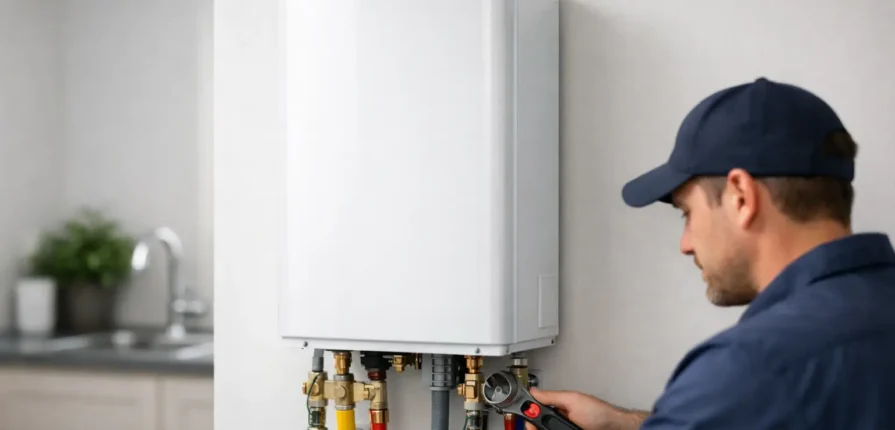
A cold shower usually settles the question fast. When hot water runs out halfway through the morning rush, many homeowners start looking at tankless water heater installation as a way to get more reliable hot water and lower energy waste at the same time.
That can be a smart upgrade, but only when the system is sized properly and installed to code. Tankless units are not a simple swap in every home. Gas line capacity, venting, electrical requirements, water quality, and fixture demand all affect how well the system will perform once it is on the wall and in service.
Is tankless water heater installation worth it?
For many homes, yes. A tankless water heater heats water on demand instead of storing it in a large tank, which means you are not paying to keep a full tank hot all day. That can improve efficiency, especially in households with predictable usage and older, less efficient equipment.
The bigger benefit for many families is consistency. A correctly selected tankless unit can provide a steady supply of hot water without the recovery delays you get from a conventional tank. If your home has several people showering back-to-back, or if you regularly run laundry and dishes during busy hours, that matters.
Still, it depends on the home. A tankless system may cost more upfront than a standard tank replacement, and the installation can become more involved if venting has to be changed or the gas supply needs to be upgraded. The long-term value is usually strongest when the installation is planned carefully rather than treated like a quick equipment swap.
What happens during tankless water heater installation?
A professional installation starts before the old water heater is disconnected. The first step is evaluating the home’s hot water demand. That means looking at how many bathrooms you have, how many fixtures may run at once, and whether the unit needs to serve a family home, rental property, or light commercial space.
From there, the installer checks fuel type, gas pipe sizing, electrical access, incoming water pressure, and venting options. This is where many DIY plans and rushed contractor quotes fall apart. A unit may fit on the wall, but if the gas line cannot support the required BTU load, performance will suffer. You can end up with ignition problems, temperature swings, or shutdowns under heavy demand.
The actual install usually includes removing the old tank, mounting the new unit, connecting water lines, installing isolation valves, setting up venting, confirming combustion air requirements, and testing for safe operation. Depending on the model, condensate drainage may also be required. Once installed, the system should be commissioned properly, not just turned on.
That last part matters. Settings need to be checked, temperature output should be verified, and the equipment should be tested under real use conditions. Proper startup helps prevent callbacks and gives the homeowner a better understanding of how the system works day to day.
Sizing matters more than most people expect
One of the most common mistakes in tankless water heater installation is choosing a unit based on price alone. A smaller unit may look attractive at first, but if it cannot keep up with peak demand, the whole point of going tankless gets lost.
Sizing is based on flow rate and temperature rise. In simple terms, the unit has to heat enough water, fast enough, based on how cold the incoming water is and how much hot water your household needs at the same time. A home in a colder climate can need a different setup than a similar home in a warmer region because the heater has to work harder to reach the desired temperature.
This is why two homes with the same number of bathrooms may not need the same model. One family may stagger usage throughout the day, while another may have three showers, a dishwasher, and a washing machine competing at once. The right installation accounts for real-world habits, not just square footage.
Gas, venting, and electrical upgrades
Tankless units often require supporting changes around them. For gas-fired systems, increased BTU demand may mean a larger gas line or a revised piping layout. If that step is skipped, the heater may never perform the way it should.
Venting is another major factor. Tankless systems use specific vent materials and venting methods based on the unit type and manufacturer requirements. You cannot assume the old vent path from a tank water heater is acceptable. Wrong venting can create safety issues, equipment damage, and failed inspections.
Electrical work may also be needed, even for gas tankless models. Many units require a nearby power source for ignition, controls, and safety features. If there is no proper outlet in place, that needs to be addressed during the job.
For homeowners, the key point is simple: installation costs are not just about the appliance. The full job may include code-related upgrades that protect both safety and performance.
Water quality and maintenance should be part of the decision
Tankless water heaters are efficient, but they are sensitive to mineral buildup. In areas with hard water, scale can collect inside the heat exchanger and reduce efficiency over time. That does not mean you should avoid tankless. It means the installation should include a conversation about water quality and maintenance.
In some homes, adding treatment equipment or planning for regular flushing is the smart move. Isolation valves are especially helpful because they make future service easier and faster. A system that is installed with maintenance in mind usually lasts longer and performs more consistently.
This is also where professional guidance makes a difference. A contractor who installs tankless systems regularly will look beyond the first day of operation and help you avoid preventable issues a year or two later.
Tankless water heater installation for replacements and new builds
Replacing an old tank with a tankless system is common, but the process is different from a new construction install. In an existing home, the installer has to work within the limits of the current mechanical room, gas service, vent routing, and plumbing layout. Sometimes the best location for the new unit is not where the old tank was sitting.
New builds and major renovations offer more flexibility. The system can be designed around the home’s expected demand from the beginning, and venting, drainage, and gas supply can be planned into the layout. That usually makes the installation cleaner and more efficient.
For landlords and small commercial property owners, usage patterns matter even more. A rental unit, multi-tenant setup, or small business may place very different demands on a water heater than a typical single-family home. Choosing the right equipment upfront helps reduce complaints, downtime, and avoidable service calls.
Why licensed installation matters
A tankless water heater is part plumbing system, part gas appliance, and part vented mechanical equipment. That is exactly why professional installation matters. Safety, code compliance, and manufacturer requirements all have to line up.
A licensed, experienced technician will assess whether your home can support the unit you want, identify any upgrades before work begins, and complete the installation in a way that protects warranty coverage and long-term reliability. That reduces the risk of poor combustion, venting problems, leaks, and temperature inconsistency.
For homeowners in the GTA, this is not an area where shortcuts pay off. Proper tankless water heater installation helps you get the comfort and efficiency you are paying for, while avoiding the hidden costs that come from rework or underperforming equipment. Airmaxx approaches these installations with that bigger picture in mind – safe operation, dependable hot water, and a setup that makes sense for the property.
What to ask before you move forward
Before booking the job, ask how the unit will be sized, whether gas or venting upgrades are expected, what maintenance the system will need, and whether permit and code requirements are being addressed. A good contractor should be able to explain the scope clearly, not just quote a box on the wall.
You should also ask about expected performance. Will the unit support simultaneous showers? How long will installation take? What happens if additional work is discovered once the old tank is removed? Clear answers upfront make the whole process smoother.
The best tankless installation is not the fastest or the cheapest. It is the one that fits the home, handles your real hot water demand, and keeps working reliably long after install day is over. If you are considering the upgrade, a careful assessment is the right place to start.