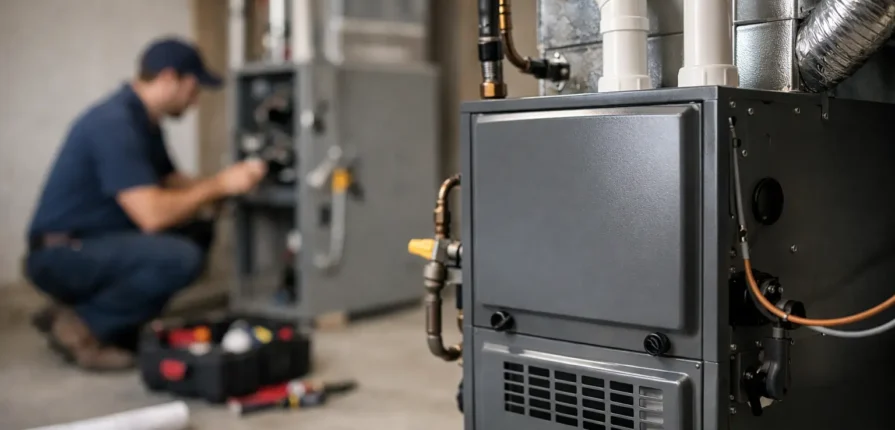
A furnace rarely quits at a convenient time. It usually starts with uneven heat, strange noises, higher utility bills, or a breakdown during the coldest stretch of the year. If you’re trying to plan ahead, understanding furnace replacement cost can help you make a smart decision before an emergency forces one.
For most homeowners, the biggest mistake is focusing only on the price of the equipment. The furnace itself matters, but installation quality, code compliance, venting, ductwork adjustments, and system sizing all affect the final cost and the long-term performance of the unit. A lower quote is not always the better value if it leads to comfort issues, short cycling, or expensive repairs later.
What is the average furnace replacement cost?
A typical furnace replacement cost for a residential property often falls somewhere between $4,500 and $9,500, but that range can move higher or lower depending on the home and the system being installed. In a straightforward replacement, where the existing setup is in good condition and the new furnace is a similar type and size, the cost usually stays toward the lower end. If the project includes venting upgrades, thermostat replacement, duct modifications, permit requirements, or converting to a high-efficiency system, the price can rise quickly.
That wide range is why phone estimates are often misleading. Two homes with the same square footage can still have very different heating needs based on insulation levels, ceiling height, window quality, duct design, and the age of the home. What looks like a simple swap on paper may involve much more once a licensed technician inspects the system.
What drives furnace replacement cost?
The biggest factor is furnace type and efficiency. Standard-efficiency units generally cost less upfront, while high-efficiency furnaces with higher AFUE ratings cost more but can reduce monthly heating bills. For many homeowners, the decision comes down to how long they plan to stay in the property, how often the furnace runs during winter, and whether the current utility costs already feel too high.
System size also matters. A larger furnace is not automatically better. If a unit is oversized, it may heat the home too quickly and shut off before completing an efficient heating cycle. That can create uneven temperatures, more wear and tear, and less comfort overall. Proper sizing based on the home’s actual heating load is one of the most important parts of a replacement.
Installation complexity has a major impact as well. Replacing an older furnace with a similar modern unit may be relatively simple. But if the venting needs to be reworked, the gas line must be adjusted, the drain needs to be added for a condensing furnace, or the return air setup is inadequate, labor and material costs increase. These are not optional details. They are part of installing the system safely and correctly.
Brand and warranty coverage can influence price too. Some equipment lines carry a premium because of advanced features, stronger warranty terms, or better efficiency ratings. That does not mean the most expensive option is always necessary. It does mean homeowners should compare value, not just sticker price.
Why labor and installation quality matter
When people compare estimates, they often assume every quote covers the same scope of work. In practice, that is rarely true. One contractor may include permits, disposal of the old unit, new venting materials, a thermostat, startup testing, and airflow adjustments. Another may quote only the basic equipment replacement and leave out items that later show up as extras.
Good installation protects your investment. A properly installed furnace should operate safely, heat consistently, and work efficiently from day one. Poor workmanship can lead to airflow problems, ignition issues, excess cycling, and shortened equipment life. That is why licensed, code-compliant installation is worth paying for.
For homes in colder climates, reliability is not a luxury. It is part of protecting the property and keeping the household safe and comfortable through winter. That is especially true for families with children, seniors, tenants, or anyone managing a small commercial space that cannot afford heating downtime.
Repair or replace?
Not every aging furnace needs immediate replacement, but there is a point where repairs stop making financial sense. If the heat exchanger is compromised, the repair bill is high, parts are becoming harder to find, or the system is 15 to 20 years old and breaking down repeatedly, replacement is often the better long-term decision.
A good rule is to look at the total picture. If the furnace is still relatively young and the repair is minor, fixing it may be reasonable. If you are paying for repeated service calls, dealing with unreliable heat, and seeing energy bills climb, replacement can save money and stress over time.
This is also where efficiency matters. An older furnace may still run, but it may be doing so at a much higher operating cost than a newer high-efficiency model. The monthly savings will not always cover the entire replacement quickly, but they can make the upgrade more practical over the life of the system.
Hidden costs homeowners should ask about
A furnace quote should be clear about what is included. If it is not, ask questions before approving the job. One of the most common issues is discovering added costs after the work begins.
Items that can affect furnace replacement cost include permit fees, removal and disposal of the old furnace, venting updates, drain line installation, gas line changes, electrical work, filter rack upgrades, duct transitions, and thermostat replacement. In some homes, asbestos concerns or tight utility room access can add labor time as well.
None of these items are unusual. The key is transparency. A trustworthy contractor explains what the home needs, why it matters, and whether it is part of the quoted price.
How to get the best value without cutting corners
The cheapest estimate can be expensive in the long run if it leaves out critical work or installs the wrong size unit. A better approach is to compare detailed proposals and ask what each one includes. Make sure the contractor is licensed, insured, and familiar with local code requirements.
It also helps to ask about financing, seasonal offers, and available discounts. Many homeowners replace a furnace during a breakdown, which can make the upfront cost harder to manage. Payment options can make it easier to choose the right system instead of settling for the quickest or lowest-cost fix.
If you are replacing both heating and cooling equipment, there may also be value in evaluating the full system together. In some cases, pairing components properly improves performance and helps avoid compatibility issues later.
When timing affects cost
Emergency replacement usually puts homeowners in a more difficult position. When the furnace fails in peak winter, you may need a fast decision with little time to compare options. Planning ahead gives you more control over budget, equipment choice, and scheduling.
If your current furnace is showing signs of age, unusual noise, rising repair frequency, or inconsistent heating, it makes sense to request an estimate before it stops working entirely. That does not commit you to replacing it immediately. It simply gives you real numbers and a clearer view of your options.
For homeowners and property managers in the GTA, working with an experienced contractor like Airmaxx Heating & Air Conditioning can make that process easier. A proper assessment, transparent quote, and code-compliant installation help reduce surprises and keep the focus where it belongs – on safe, dependable heat.
Furnace replacement cost and long-term comfort
The right furnace should do more than turn on and off. It should heat the space evenly, run efficiently, and support healthy airflow throughout the property. That is why furnace replacement cost should be viewed as part of a larger comfort decision, not just a one-time equipment purchase.
A well-installed system can reduce cold spots, lower energy waste, improve reliability, and give you more confidence when temperatures drop. It can also protect you from the cycle of ongoing repairs that often comes with holding onto an aging furnace too long.
If you are comparing options now, take your time where you can, ask for a detailed estimate, and make sure the installation plan fits your home, not just the equipment catalog. The right replacement should feel less like a rushed expense and more like a solid step toward a warmer, more dependable winter.